Che cosa sta cercando?

 it
it en
en fa
fa fr
fr de
de es
es ar
ar ja
ja cs
cs CN
CN
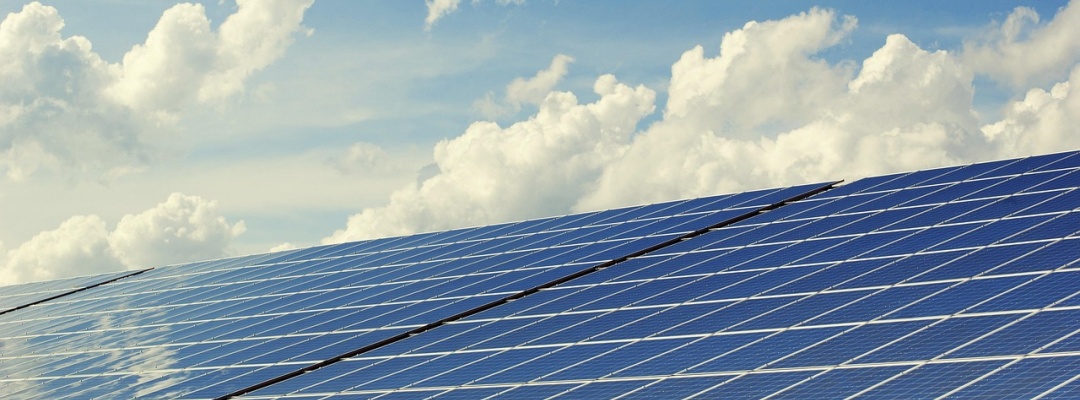
Nel contesto dell'aumento dei prezzi dell'energia e degli standard globali sulle emissioni sempre più rigorosi, la domanda di fonti di energia rinnovabile, come energia solare ed eolica —insieme a solide soluzioni di accumulo energetico, si prevede che continui la sua traiettoria ascendente. Questo cambiamento non è semplicemente una tendenza, ma una trasformazione fondamentale nel modo in cui il mondo affronta la resilienza energetica e la responsabilità ambientale.
L'immensa energia termica irradiata dal sole lo rende una fonte di energia eccezionalmente interessante. Questa energia può essere convertita direttamente in elettricità a corrente continua (CC) e calore utilizzabile. L'energia solare è una risorsa rinnovabile pulita, abbondante e inesauribile, disponibile in tutto il pianeta. I pannelli solari, noti anche come sistemi fotovoltaici (FV), vengono generalmente installati sui tetti o all'interno di centrali solari. Questi impianti permettono alla radiazione solare di colpire le celle fotovoltaiche, facilitando le reazioni che convertono la luce solare in energia elettrica.
L'energia solare possiede la versatilità necessaria per alimentare sia singoli edifici che impianti industriali. Se impiegata su scala ridotta, l'energia in eccesso prodotta può essere immagazzinata in batterie per un utilizzo successivo o reimmessa nella rete elettrica pubblica. A livello micro, minuscoli pannelli solari fotovoltaici alimentano già dispositivi di uso quotidiano come calcolatrici, giocattoli per bambini e cabine telefoniche pubbliche, a dimostrazione dell'ampia applicabilità di questa tecnologia.
Diverse tipologie di sistemi solari fotovoltaici
Gli impianti fotovoltaici moderni si suddividono generalmente in tre categorie principali, ognuna con caratteristiche operative e requisiti infrastrutturali distinti:
1. Sistema connesso alla rete – Noto anche come impianto solare connesso alla rete o alimentato dalla rete.
2. Sistema off-grid – Denominato anche sistema di alimentazione autonomo (SAPS).
3. Sistema ibrido – Un impianto solare connesso alla rete e integrato con un sistema di accumulo a batteria.
Sistema connesso alla rete
Gli impianti solari connessi alla rete sono, di gran lunga, la configurazione più comune e diffusa sia per le abitazioni private che per le attività commerciali. Questi sistemi non necessitano di batterie; utilizzano invece inverter o microinverter solari standard e rimangono collegati direttamente alla rete elettrica pubblica. L'energia solare in eccesso prodotta dall'impianto viene immessa in rete e il proprietario riceve in genere una tariffa incentivante (FiT) o un credito sulla bolletta elettrica per questo contributo.
A differenza dei sistemi ibridi, gli impianti solari connessi alla rete non possono funzionare o generare elettricità durante un'interruzione di corrente, e questa limitazione esiste per ragioni di sicurezza fondamentali. Quando la rete viene danneggiata durante un'interruzione, se un inverter solare continua a immettere energia nelle linee danneggiate, si crea un grave rischio di folgorazione per i tecnici della compagnia elettrica impegnati nella riparazione della rete. Al contrario, la maggior parte dei sistemi solari ibridi dotati di accumulo a batteria è in grado di isolarsi automaticamente dalla rete – una funzione nota come "islanding" – e può continuare a fornire un'alimentazione elettrica limitata ma essenziale durante un'interruzione.
Sistema off-grid
Un sistema off-grid non è collegato alla rete elettrica pubblica e pertanto richiede un banco di batterie dedicato come componente integrante. sistemi solari off-grid Devono essere progettate con meticolosa attenzione alle condizioni climatiche locali, garantendo una produzione di energia sufficiente durante tutto l'anno. Inoltre, la capacità delle batterie deve essere adeguata a soddisfare il fabbisogno energetico di un'abitazione, anche nel pieno dell'inverno, quando la luce solare è generalmente molto meno abbondante e la produzione giornaliera diminuisce significativamente.
In una configurazione off-grid, non vi è alcun collegamento alla rete elettrica pubblica. Una volta che l'energia solare è stata consumata dagli elettrodomestici dell'abitazione, l'elettricità in eccesso viene automaticamente immagazzinata nelle batterie. Quando le batterie raggiungono la carica completa, smettono di ricevere energia dall'impianto solare. Nei periodi in cui l'impianto solare non produce attivamente energia, come di notte o nelle giornate molto nuvolose, gli elettrodomestici della casa prelevano l'energia necessaria dall'accumulo nelle batterie.
Nei periodi dell'anno in cui il livello di carica delle batterie è basso e il tempo nuvoloso persiste a lungo, è generalmente necessaria una fonte di alimentazione di riserva. Questa di solito consiste in un generatore di emergenza. La potenza del generatore, misurata in kilovolt-ampere (kVA), deve essere adeguata a soddisfare contemporaneamente il fabbisogno elettrico dell'abitazione e a ricaricare il banco batterie.
Sistema ibrido
I moderni sistemi ibridi integrano la generazione di energia solare e l'accumulo a batteria in un'unica soluzione unificata, e sono ora disponibili in numerose configurazioni e formati. Con il continuo calo dei costi dell'accumulo a batteria, anche i sistemi già connessi alla rete elettrica possono iniziare a sfruttare i vantaggi dell'accumulo in loco. Questa funzionalità consente ai proprietari di casa di immagazzinare l'energia solare generata durante le ore diurne e di utilizzarla dopo il tramonto. Quando l'energia immagazzinata si esaurisce, la rete funge automaticamente da backup senza interruzioni, offrendo ai consumatori il meglio di entrambi i mondi: indipendenza energetica e affidabilità della rete. I sistemi ibridi sono inoltre in grado di caricare le batterie utilizzando l'elettricità a basso costo nelle ore non di punta, generalmente disponibile tra mezzanotte e le 6:00 del mattino.
In un sistema ibrido, una volta che l'energia solare è stata utilizzata dagli elettrodomestici dell'abitazione, l'energia in eccesso viene immagazzinata nelle batterie. Quando le batterie sono completamente cariche, smettono di ricevere ulteriore energia dall'impianto solare. L'energia immagazzinata nelle batterie può quindi essere rilasciata e utilizzata per alimentare la casa, solitamente durante le ore serali di punta, quando i costi dell'elettricità sono in genere più elevati.
A seconda della configurazione del sistema ibrido e delle disposizioni della compagnia elettrica locale, una volta che le batterie sono completamente caricate, l'energia solare in eccesso non necessaria agli elettrodomestici può essere immessa nella rete tramite il contatore. Viceversa, quando l'impianto solare è inattivo, ad esempio di notte, e l'energia utilizzabile nelle batterie si è esaurita, gli elettrodomestici della casa inizieranno automaticamente ad assorbire energia dalla rete.
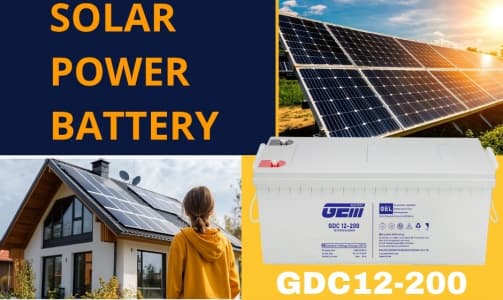
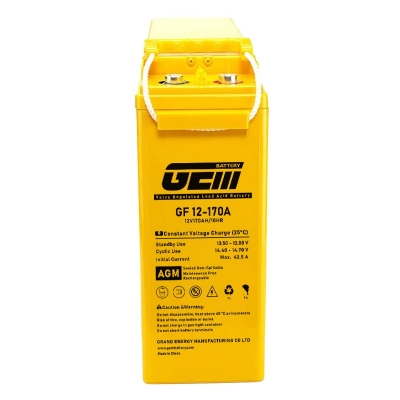
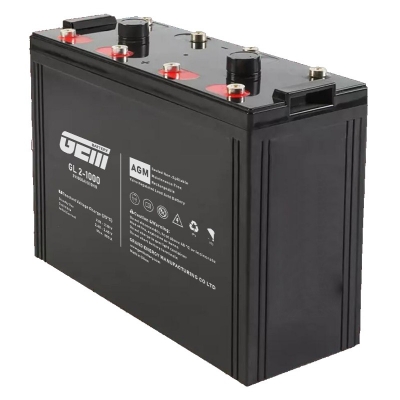
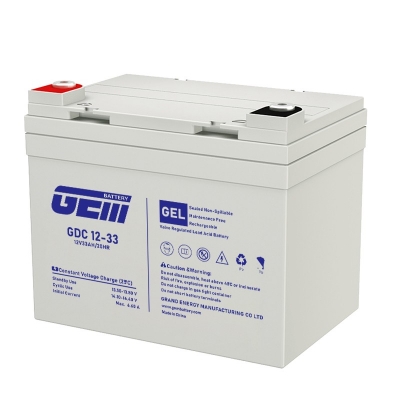
Batteria GEM Soluzioni affidabili al piombo per l'accumulo di energia solare
Batteria GEM ' S Le celle solari al piombo-acido si basano su una tecnologia collaudata e matura, impiegata in modo affidabile nei sistemi di energia solare da decenni. Le celle solari al piombo-acido rappresentano una scelta eccellente per proprietari di casa cercando di passare dalla rete elettrica e necessitando di una notevole capacità di accumulo di energia. I clienti possono scegliere dalla gamma completa di celle solari di GEM Battery, tra cui GM , GDC , GzV , E GzS serie, tutte progettate per alimentare le abitazioni sistemi solari con prestazioni affidabili.
IL Serie GM offre capacità della batteria di 12V55AH, 12V65AH, 12V80AH, 12V100AH, 12V150AH, 12V200AH , 12V300AH, ecc.
IL Serie GDC fornisce capacità della batteria di 12V100AH , 12V150AH, 12V200AH, 12V250AH, 12V300AH, 12V400AH, 12V500AH, ecc.
IL Serie GzV presenta capacità della batteria di 2V200AH, 2V350AH, 2V400AH, 2V500AH, 2V1000AH , 2V1500AH, 2V2000AH, ecc.
IL Serie GzS offre capacità della batteria di 2V250AH , 2V800AH, 2V1000AH, 2V1200AH, 2V2000AH, GzS2-2500 (2V2500AH), 2V3000AH , ecc.

Il nostro team di esperti e il personale sono pronti a collaborare con voi e per fornire un servizio professionale. Si dovrebbe ottenere rispose subito con informazioni preziose. Lasciate che la nostra collaborazione iniziare presto!


 IPv6 rete supportata